

Law and order
Hasina cannot get new passport, faces execution on return: chief prosecutor
Translated by Desk Report
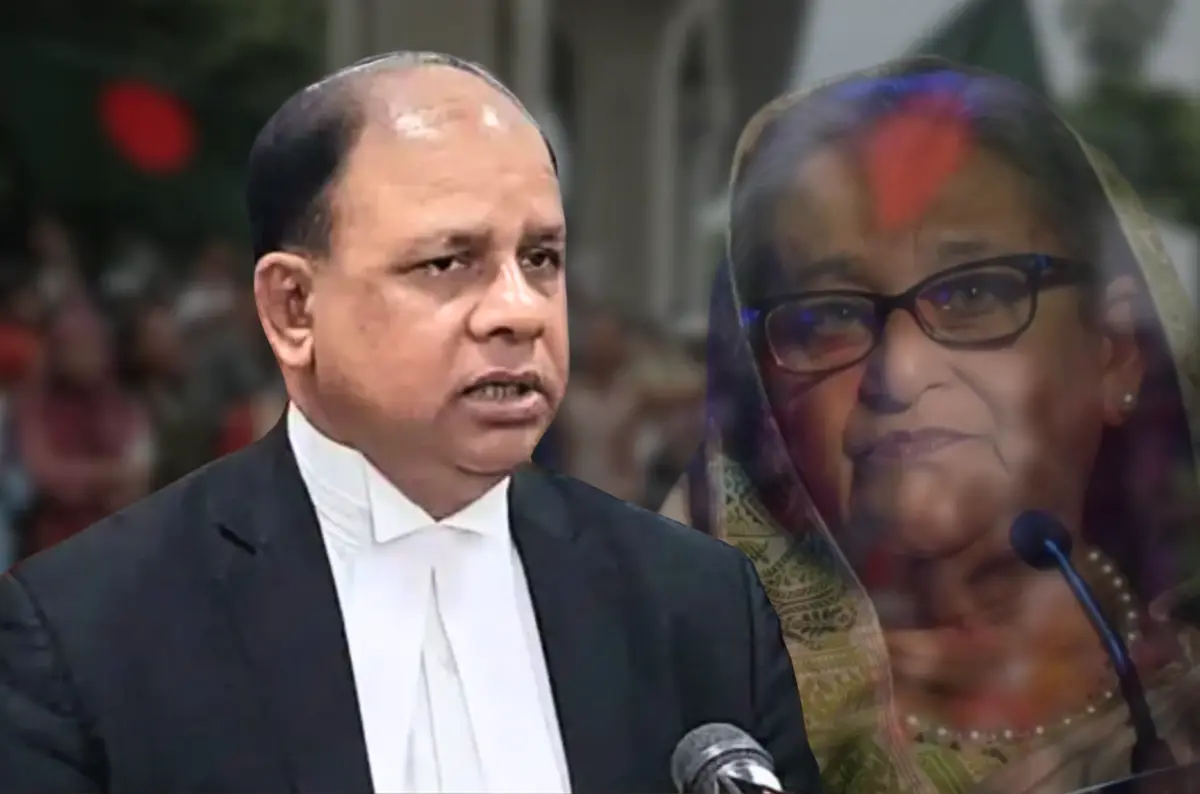
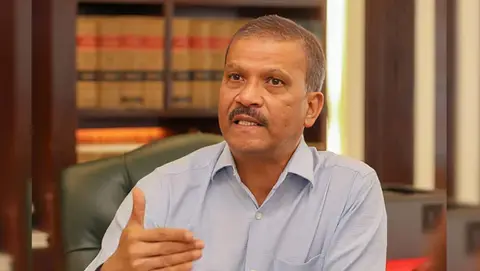
There is no legal provision to issue a new passport to fugitive former prime minister Sheikh Hasina, who has been sentenced to death for crimes against humanity, International Crimes Tribunal Chief Prosecutor Md Aminul Islam has said. He also said the legal process to carry out her death sentence would proceed if she returned to Bangladesh, as she had not appealed the verdict.
The chief prosecutor made the remarks at a press conference on the International Crimes Tribunal premises on Tuesday (10 November).
Aminul Islam said the Bangladesh Passport Order, 1973 bars the issuance of passports, under specified conditions, to convicted people and those who remain fugitives to evade judicial proceedings. Article 6 sets out restrictions on issuing passports, while Article 7 provides for impounding or revoking the passports of people convicted of offences involving moral turpitude.
The chief prosecutor said the International Crimes Tribunal had sentenced Hasina to death for crimes against humanity. In his view, such crimes constitute offences involving moral turpitude. Her passport was revoked on that basis, he said, adding that the relevant legal provisions leave the passport authorities with no power to issue her a new one.
Although Article 36 of the constitution provides citizens with the right to freedom of movement and to enter and leave Bangladesh, he claimed those rights do not apply to convicted people and fugitives evading judicial proceedings.
Aminul Islam said Hasina did not participate in the court proceedings during her trial. The necessary legal steps, including issuing an arrest warrant, had been taken to bring her back to Bangladesh, and notices had also been published in newspapers. She did not appeal after the verdict, he said, and therefore no longer had a legal avenue to do so.
Aminul Islam also questioned a London-based law firm's application to the Indian embassy for a passport on Hasina's behalf. He said the person concerned must apply for a passport, but a law firm had submitted the application rather than Hasina herself or her party.
He also said no agreement had been made public showing the legal arrangement under which the firm had applied on Hasina's behalf. The chief prosecutor questioned how the firm had submitted the application without a proper agreement with its client.
He further told the press conference that the passport law enacted by Bangladesh's first government after independence left no scope to issue Hasina a passport. Issuing a passport or travel pass to a convicted person through the state would make a mockery of the judicial process, he said.
Alongside the chief prosecutor's remarks on carrying out Hasina's sentence if she returns to Bangladesh, the legal questions surrounding passport issuance and the right to appeal remain matters to be considered in light of the relevant laws and court decisions.