

Opinion
Housing emerges as major structural challenge to smart urbanisation in Bangladesh
Translated by Desk Report
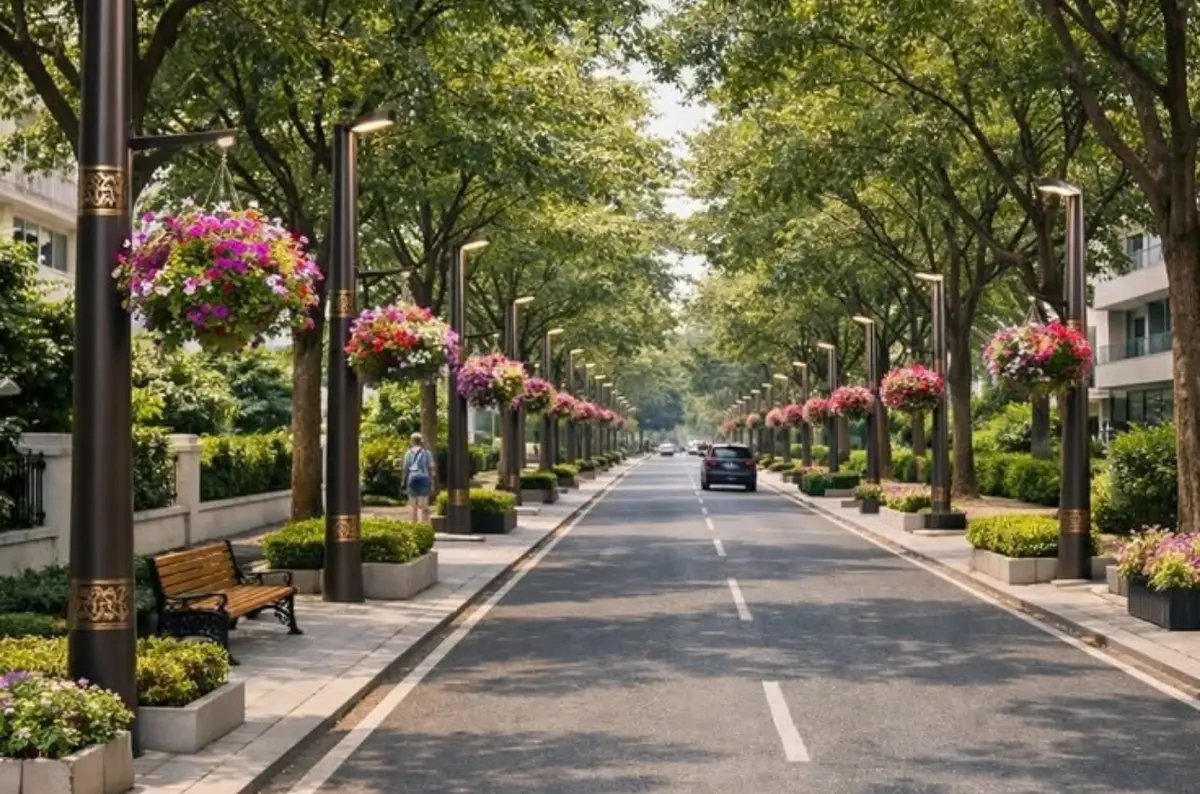
Housing has emerged as one of the biggest structural challenges to smart cities and sustainable urbanisation in Bangladesh, with Dhaka facing a particularly severe housing crisis.
According to World Bank data, the country adds an estimated 250,000 to 300,000 units to its housing backlog every year, highlighting the growing gap between demand and supply.
Experts say Bangladesh must first ensure an adequate supply of housing before focusing on making it smarter, greener and more sustainable. At the same time, the country can draw valuable lessons from the rapid urban transformation of countries such as Japan, South Korea and Singapore over the past five to six decades.
Japan’s post-war reconstruction and the transformation of Seoul and Singapore demonstrate how effective policies and pragmatic measures can significantly improve urban living standards. However, Bangladesh must develop solutions that reflect its own resource constraints and economic realities.
Energy efficiency should be a major component of this strategy. Nearly one-third of the energy produced in Bangladesh is consumed by the residential sector. Making residential buildings more energy-efficient and environmentally sustainable could therefore generate substantial savings.
Smart housing, however, does not necessarily mean sophisticated technology, rooftop solar panels or expensive gadgets. Rather, it should involve building designs that maximise natural light and ventilation while reducing energy and water consumption and lowering long-term operating and maintenance costs.
Simple measures such as passive design, proper building orientation, natural ventilation, energy audits, solar power and efficient water use can play an important role in reducing household energy demand and utility costs.
The location of housing is equally important. Even an environmentally friendly building may contribute to higher carbon emissions if it is located far from workplaces, schools, healthcare facilities and other essential services, forcing residents to make long daily commutes.
Therefore, smart housing must be planned alongside transportation and urban infrastructure. Walkable neighbourhoods, access to essential services and efficient links to public transport should be considered integral components of sustainable housing.
Financing is another critical issue. Mortgage finance in Bangladesh accounts for only about 1.898 percent of GDP, compared with around 30 percent in China and more than 50 percent in Malaysia. The figures underscore the need to strengthen housing finance if Bangladesh is to accelerate sustainable urban development.
Bangladesh already has several policy and institutional frameworks that can support greener and more efficient housing, including the Bangladesh National Building Code (BNBC), the Sustainable and Renewable Energy Development Authority (SREDA) and green development strategies under the country’s Nationally Determined Contributions (NDCs).
The major challenge, however, lies in implementation, scaling up existing strategies and securing adequate financing.
Urban development authorities such as RAJUK, along with architects, engineers and other professionals, can play a key role by ensuring that building designs incorporate passive strategies such as natural ventilation, adequate daylight and appropriate building orientation.
With better implementation of existing policies, stronger housing finance, energy-efficient design and integrated transport planning, Bangladesh can make significant progress towards smart and sustainable urbanisation—even within its resource limitations.